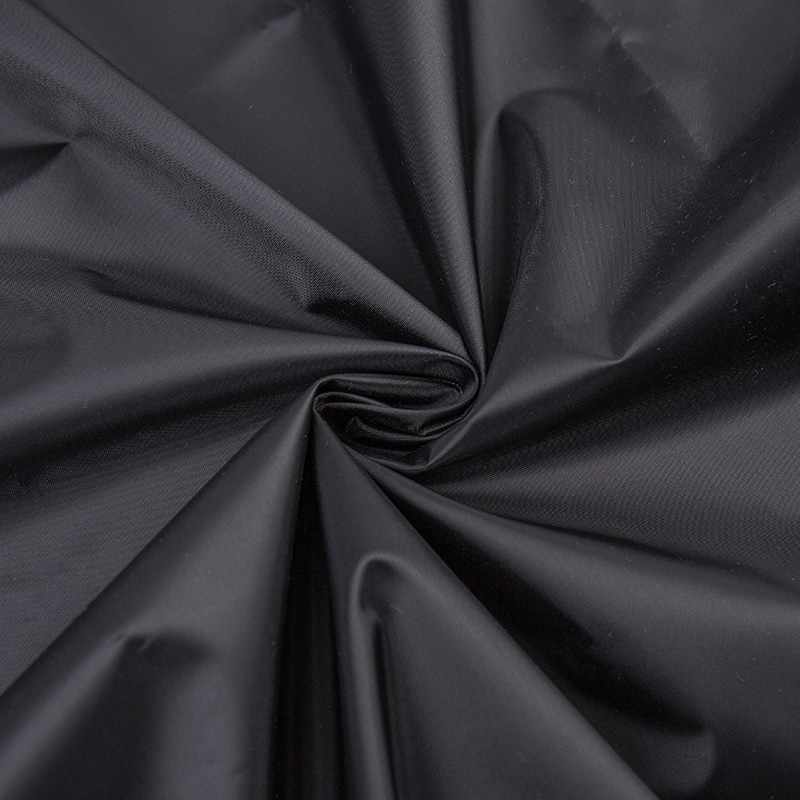
What You Need to Know About Polyester Four-Way Stretch Fabric for Bulk Orders: Complete Sourcing Guide
 Domov / Novinky / Priemyselné správy / What You Need to Know About Polyester Four-Way Stretch Fabric for Bulk Orders: Complete Sourcing Guide
  2026.09.04
 Priemyselné správy
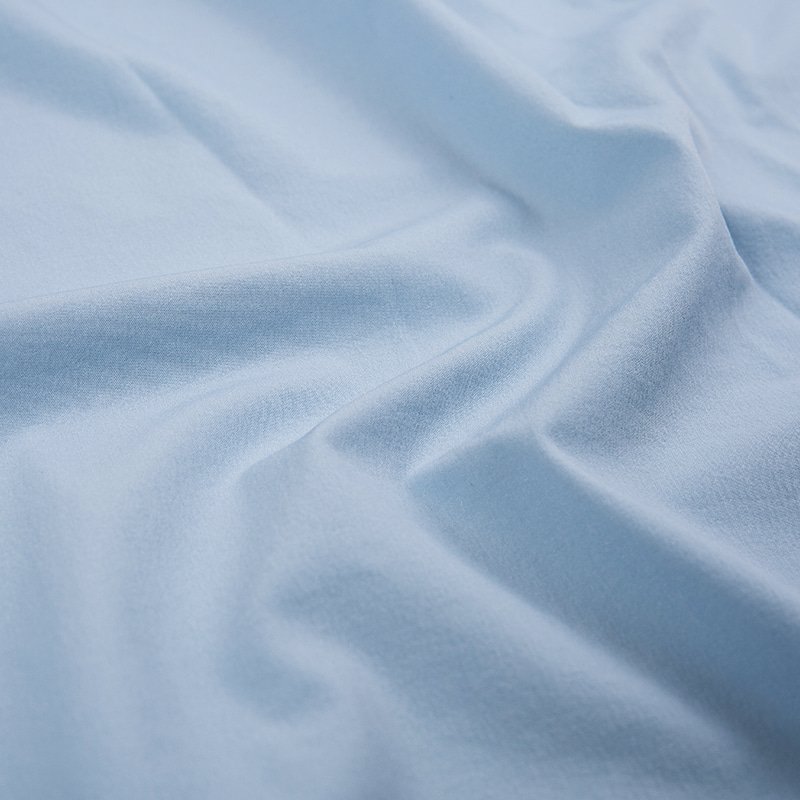
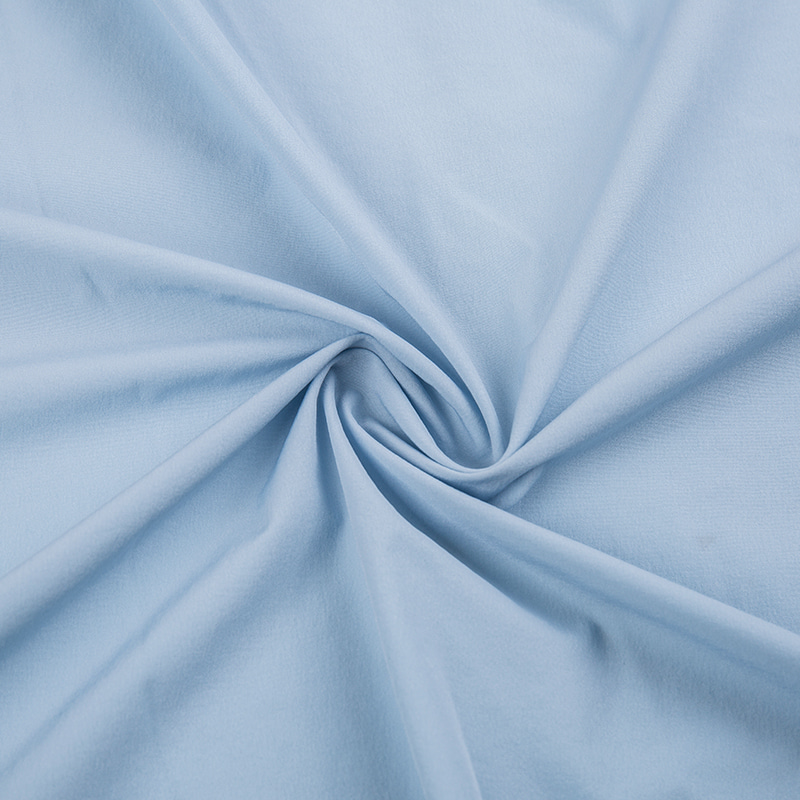
Polyester four-way stretch fabric represents a significant advancement in textile engineering, combining 82% polyester with 18% spandex to deliver unrestricted multidirectional movement. Unlike traditional fabrics that limit motion, this material stretches both horizontally and vertically, then recovers to its original shape without sagging or losing elasticity. For B2B buyers sourcing materials for activewear, swimwear, and compression garments, understanding this fabric's core properties is essential to making informed purchasing decisions.
| Parameter | Typical Value | Importance for Procurement |
|---|---|---|
| Composition | 82% Polyester, 18% Spandex | Determines elasticity and moisture-wicking performance |
| Weight (GSM) | 200-220 GSM (Medium Weight) | Indicates suitable end-use (activewear vs outerwear) |
| Width | 58/60 inches | Critical for production efficiency and material yield |
| Stretch Type | 4-Way (Warp Weft) | Core differentiator: unrestricted multidirectional movement |
| Finish Options | Sublimation Ready, Brushed, Smooth | Affects printing results and tactile properties |
Four-way stretch fabric differs fundamentally from two-way alternatives in its engineering. While two-way fabrics allow stretching only along the warp (lengthwise) and weft (crosswise) directions with limited recovery, four-way stretch combines mechanical engineering in both directions with advanced spandex integration. This creates a fabric that expands in all directions while maintaining structural integrity.
The spandex fibers in four-way formulations are distributed strategically throughout the weave structure, allowing for what textile engineers call "conformability"—the fabric's ability to adapt to body contours without restriction. For athletes and active individuals, this means garments that move with the body rather than against it.
A critical metric for elastic fabric quality is recovery rate—the percentage to which material returns to its original dimensions after stretching. Polyester four-way stretch fabrics typically achieve 95-98% recovery after 100 consecutive stretches, meeting international performance standards. This superior recovery prevents the bagging and sagging that plague lower-grade alternatives.
The molecular structure of the spandex used in premium formulations (often referencing technical standards equivalent to industry benchmarks) ensures that even after repeated washing and wear, the fabric maintains its form. This longevity directly impacts the end product's consumer satisfaction and brand reputation.
The sportswear industry drives demand for polyester four-way stretch fabric because athletes require maximum mobility. Whether in running wear, cross-training apparel, or gym clothing, this fabric enables unrestricted movement through a full range of motion. The moisture-wicking properties inherent to polyester ensure sweat dispersal, keeping the wearer dry during intense activity.
Manufacturers producing activewear benefit from this fabric's consistency—each production batch delivers identical stretch response and recovery, enabling quality control protocols that protect brand reputation. The dimensional stability also prevents seam puckering, a common defect in lower-grade stretch materials.
Swimwear applications demand more than stretch capability; they require resistance to chlorine, salt water, and repeated compression-relaxation cycles. Polyester four-way stretch fabric excels in these conditions because polyester provides inherent chlorine resistance—a property nylon-based alternatives cannot match. The four-way stretch design ensures that swim garments maintain their shape despite constant water exposure and sun damage.
Quick-dry properties become critical in swimwear. The polyester content enables rapid moisture evaporation, reducing the discomfort of heavy, saturated garments. For commercial swimming facilities and resort applications, this translates to garments that dry faster between sessions.
The athleisure segment—encompassing yoga pants, casual leggings, and lifestyle apparel—represents one of the fastest-growing markets for four-way stretch materials. Consumers expect garments that transition seamlessly from workout to social settings without compromising comfort or aesthetic appeal.
In this space, the fabric's ability to retain shape after hundreds of wear cycles becomes a competitive advantage. Products that maintain their silhouette through washing and wearing build customer loyalty and reduce return rates.
Compression garments require precise elasticity control to deliver therapeutic benefits. Four-way stretch fabric's consistent recovery ensures that garments maintain specified compression levels throughout their service life. This precision is particularly important for medical-grade applications where compression must remain within defined ranges.
The fabric's breathability—achieved through its polyester base—prevents the moisture accumulation and skin irritation common in less advanced materials. For individuals wearing compression garments daily, this distinction meaningfully impacts comfort and compliance.
While nylon-based four-way stretch fabrics exist, polyester formulations offer distinct advantages for bulk purchasers. Polyester demonstrates superior chlorine resistance, making it the preferred choice for swimwear and water-sports applications. Additionally, polyester fabrics typically cost 15-20% less than nylon alternatives without sacrificing performance, a significant factor when ordering in volume.
Nylon four-way stretch excels in abrasion resistance, making it preferable for garments subjected to harsh friction. However, for most activewear and athleisure applications, polyester's advantages—cost efficiency, chlorine resistance, and color vibrancy—outweigh nylon's abrasion benefits.
Two-way stretch fabrics limit elasticity to warp and weft directions. When a user moves diagonally or requires lateral support, two-way materials cannot accommodate the motion uniformly. This creates discomfort, potential for seam stress, and premature garment failure.
Four-way stretch eliminates these limitations. By distributing spandex throughout the fabric structure rather than concentrating it in specific yarns, manufacturers achieve consistent elasticity across all directions. For performance apparel, this translates directly to superior fit, comfort, and durability.
| Feature | Polyester 4-Way | Nylon 4-Way | Polyester 2-Way |
|---|---|---|---|
| Chlorine Resistance | Excellent | Poor | Excellent |
| Cost per Yard | Moderate | Higher | Lower |
| Directional Stretch | All Directions | All Directions | Limited (Warp/Weft) |
| Abrasion Resistance | Good | Excellent | Good |
| Color Vibrancy | High | Very High | Moderate |
| Best For | Swimwear, Activewear | High-Performance Sports | Budget Activewear |
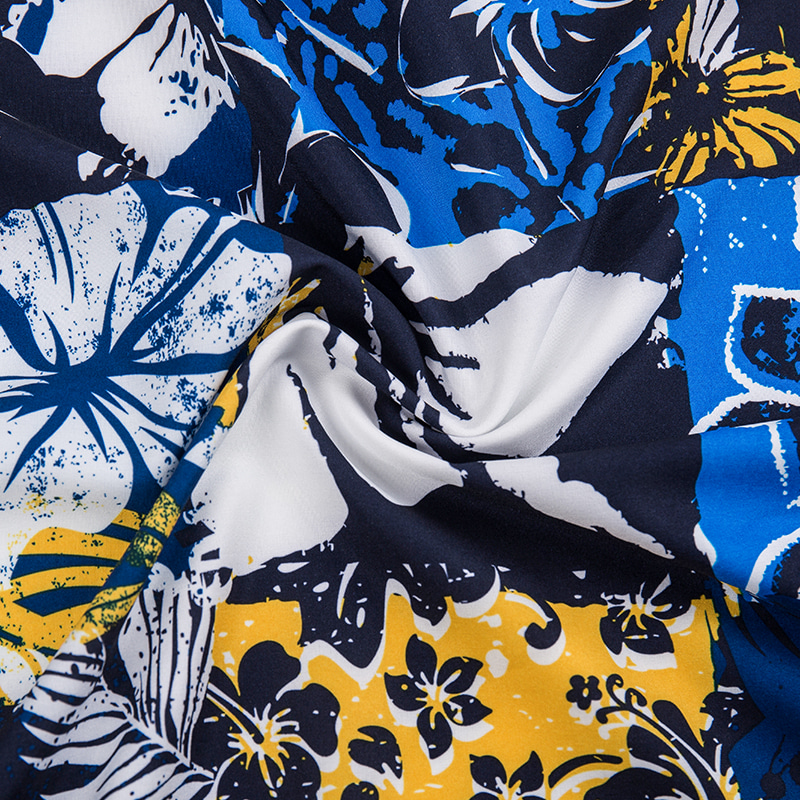
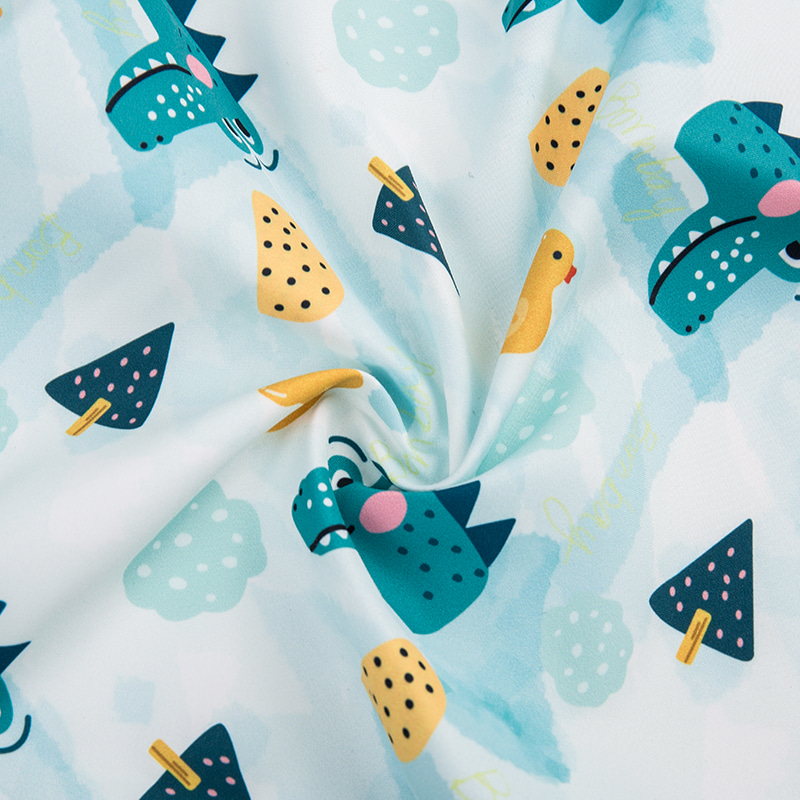
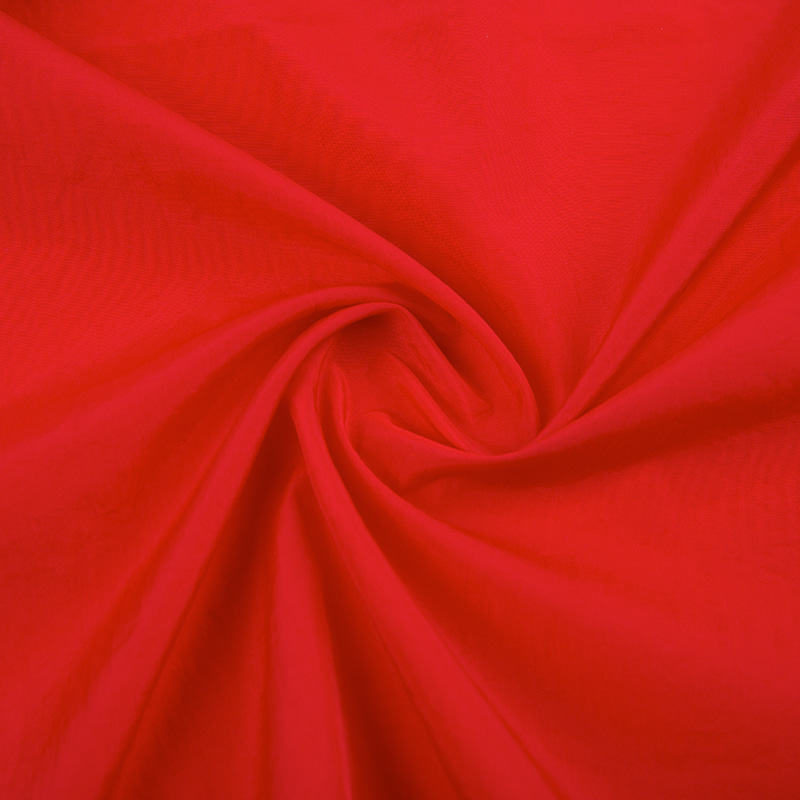
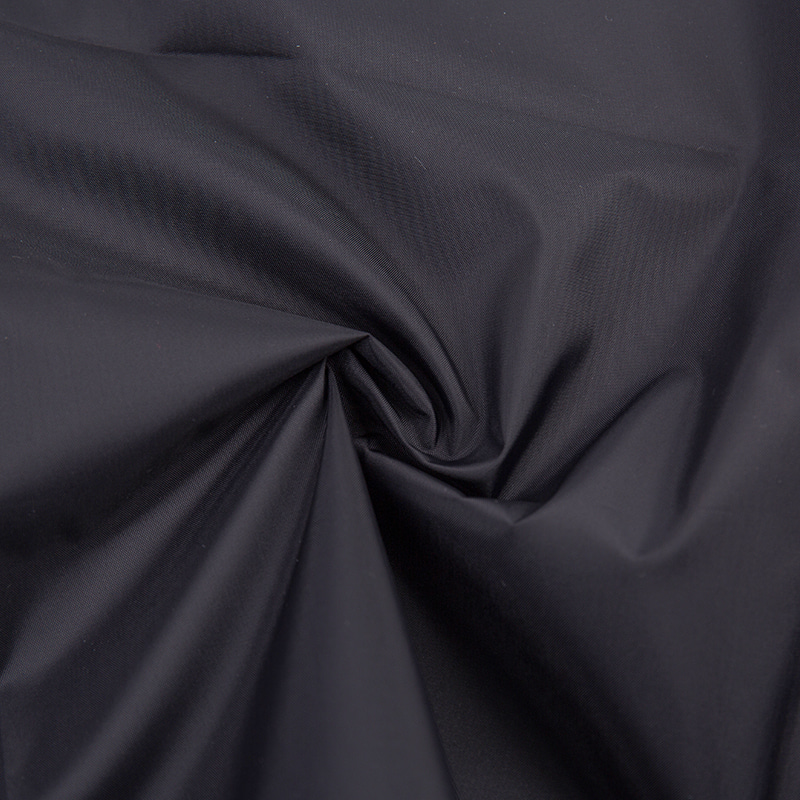
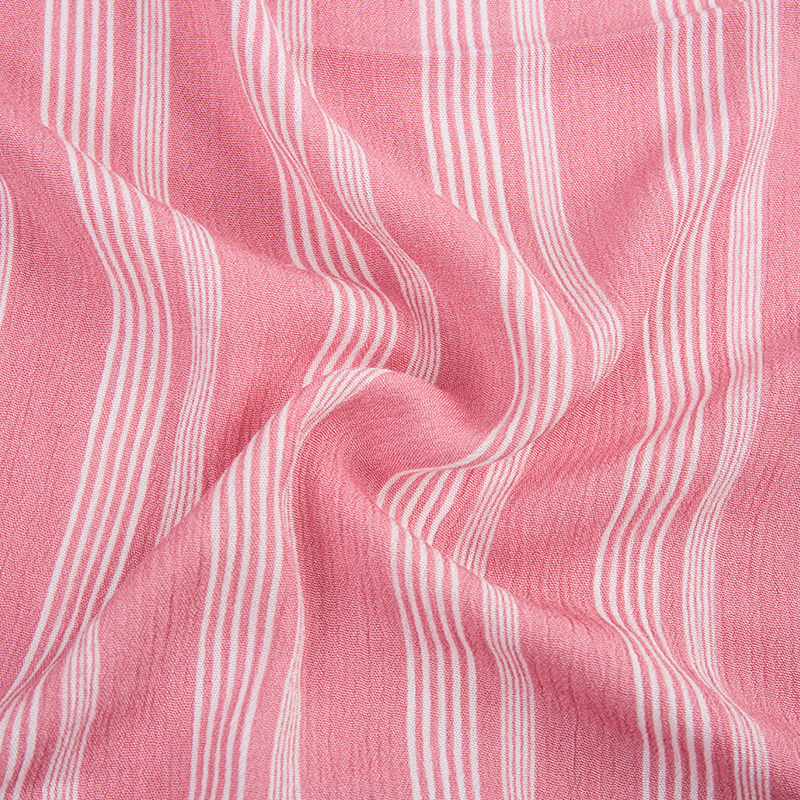
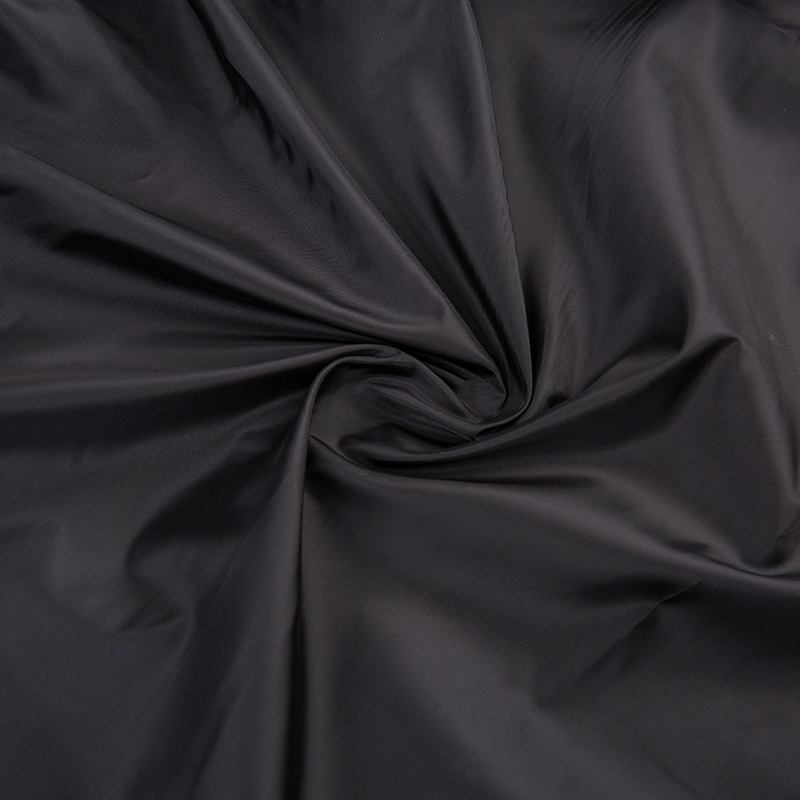
B2B buyers require flexibility in material specifications. Polyester four-way stretch fabric can be customized in virtually unlimited color options through dyeing processes. Standard finishes include sublimation-ready (for digital printing), brushed (for enhanced softness), and smooth (for sleek aesthetics).
When placing orders, specify your preferred finish based on your end-product requirements. Sublimation-ready finishes are ideal for garments requiring complex, full-color designs. Brushed finishes enhance comfort for lounge wear and athleisure. Smooth finishes maximize color saturation for solid-colored activewear.
Standard widths for elastic fabric are 58 and 60 inches, optimizing yield for most garment patterns. Minimum order quantities typically range from 500 to 2000 linear yards, depending on the supplier and specific customization requirements. Larger orders often qualify for volume pricing discounts, potentially reducing per-yard costs by 10-25%.
The standard ordering workflow ensures quality and efficiency:
Most suppliers establish MOQ guidelines to maintain production efficiency. For standard colors and finishes, typical MOQ is 500-1000 linear yards. Custom dye lots may require 2000-5000 yard minimums. While higher MOQ can seem restrictive, they enable manufacturers to reduce per-yard pricing significantly, making bulk purchasing economically advantageous for medium to large production operations.
Suppliers often accommodate split-shipment arrangements, allowing buyers to specify staggered deliveries across a production season while maintaining the bulk order pricing structure.
Before shipping bulk orders, reputable suppliers conduct comprehensive quality testing. Standard protocols ensure that polyester four-way stretch fabric meets performance expectations:
Modern fabric suppliers adhere to environmental and safety standards. This includes compliance with OEKO-TEX certification (ensuring absence of harmful substances), REACH regulations (chemical safety in Europe), and various national labor standards. When sourcing materials, verify that suppliers maintain these certifications—they demonstrate commitment to both product safety and ethical manufacturing.
Occasionally, bulk orders may present unexpected challenges. Understanding common issues enables rapid resolution:
Issue: Excessive pilling after wearing
Cause: Low spandex quality or insufficient fabric weight. Solution: Verify GSM specification and spandex origin with supplier. Pilling typically indicates substandard materials.
Issue: Color variation between rolls
Cause: Inconsistent dye lot quality. Solution: Request samples from final production batch before full shipment. Specify acceptable color tolerance in original purchase order.
Issue: Reduced elasticity after first washing
Cause: Improper care instructions provided to end consumers. Solution: Ensure finished garments include detailed care labels recommending gentle washing and air drying.
Polyester four-way stretch fabric designated as "sublimation-ready" has been prepared specifically for digital printing processes. The polyester content enables dye molecules to bond permanently with fibers during heat and pressure application, producing vibrant, durable designs that won't crack, fade, or peel.
This preparation typically involves a coating that optimizes ink absorption without compromising the fabric's stretch properties. When sourcing sublimation-ready materials, confirm that the coating has been tested for compatibility with your specific printing equipment and inks.
Designers working with four-way stretch materials must account for elasticity when creating patterns and graphics. Designs should be scaled appropriately—typically 2-5% larger than finished dimensions—to accommodate the stretch factor without distortion. Complex graphics positioned near seams may become distorted during wearing; placement should prioritize areas with minimal movement.
Color selection becomes more vibrant on polyester than on cotton or blended materials. Account for this during design approval to ensure printed samples match your design intent on the finished fabric.
When producing sublimation-printed activewear:
B2B fabric procurement involves selecting partners who can consistently deliver quality, reliability, and communication. Evaluate potential suppliers using these criteria:
Production Capacity and Lead Times
Confirm that suppliers can handle your order volumes within acceptable timeframes. Request production capacity information and typical lead times for standard orders. Inquire about surge capacity—can they accommodate larger orders during peak seasons?
Material Consistency and Quality Control
Request samples from multiple production batches to assess consistency. Inquire about quality control procedures and certifications. Ask about testing protocols and rejection rates for non-conforming material.
Customization Flexibility
Determine whether suppliers can accommodate custom colors, finishes, widths, or specifications. Understanding customization boundaries helps prevent future ordering conflicts. Clarify any upcharges for custom orders.
Communication and Responsiveness
Assess responsiveness during initial inquiry stages. Suppliers who respond promptly and provide detailed answers to technical questions typically maintain this level of service throughout the ordering relationship.
Pricing and Payment Terms
Compare pricing across multiple suppliers while accounting for quality differences. Some suppliers offer volume discounts, extended payment terms, or prepayment discounts. Calculate total cost of ownership rather than focusing solely on per-yard pricing.
Sustainability Certifications
Verify certifications such as OEKO-TEX, GOTS (for organic materials), or compliance with your regional environmental regulations. These certifications indicate commitment to responsible manufacturing.
Volume purchasing provides leverage for negotiations. Request quotes for multiple quantities to establish pricing tiers. Inquire about:
Successful B2B fabric sourcing often involves developing long-term partnerships. Suppliers who understand your business goals and production needs can anticipate requirements, offer proactive suggestions, and prioritize your orders. When you've identified a quality supplier, demonstrate loyalty through consistent ordering and clear communication. This creates mutual investment in your success.
The activewear and athleisure market continues expanding globally, with growth particularly strong in emerging markets. This expansion drives demand for high-performance stretch fabrics that deliver durability and comfort. Manufacturers who invest in quality materials like polyester four-way stretch position themselves to capture expanding market share.
Environmental consciousness increasingly influences fabric sourcing decisions. While conventional polyester remains petroleum-derived, suppliers are developing recycled polyester alternatives that offer equivalent performance. Inquire about recycled content options when sourcing materials—consumers increasingly prefer products manufactured responsibly.
Emerging technologies like moisture-wicking coatings, antimicrobial finishes, and temperature-regulating treatments continue advancing fabric capabilities. Next-generation four-way stretch materials may incorporate features like moisture sensing or adaptive elasticity. Staying informed about technological developments helps you anticipate market shifts and plan product evolution strategically.
Digital printing technologies are making small-batch custom manufacturing economically viable. This trend offers opportunities for brands to create limited editions, test market variations, and respond to consumer preferences quickly. Four-way stretch fabric's compatibility with sublimation printing positions it well within this evolving market.
Yes, polyester four-way stretch fabric is excellent for sublimation printing. The high polyester content allows dye molecules to bond permanently with fibers under heat and pressure. Ensure you source "sublimation-ready" fabric, which has been pre-treated to optimize ink absorption. The resulting prints are vibrant, durable, and resist cracking or fading even through repeated washing and wearing.
Polyester spandex and nylon spandex formulations differ significantly in performance characteristics. Polyester offers superior chlorine resistance, making it ideal for swimwear and water-sports applications. Polyester typically costs 15-20% less than nylon. Nylon excels in abrasion resistance and is preferred for high-friction applications. Polyester demonstrates better color vibrancy and handles sublimation printing more effectively. For most activewear and athleisure applications, polyester spandex provides optimal performance-to-cost ratio.
Proper care extends garment lifespan significantly. Recommend hand washing in lukewarm water with mild detergent, avoiding bleach and fabric softeners. Air drying rather than machine drying preserves elasticity—heat can degrade spandex fibers. If machine washing is necessary, use gentle cycles and cold water. Avoid high-temperature ironing directly on the fabric, though low-heat pressing with a barrier cloth is acceptable. Proper care instructions should be included on garment labels to guide consumers.
Typical minimum order quantities range from 500 to 2000 linear yards depending on the supplier and specifications. Standard colors and finishes typically require lower MOQ (500-1000 yards), while custom dyes or specialized finishes may require 2000-5000 yard minimums. Larger orders qualify for volume discounts, potentially reducing per-yard costs by 10-25%. Many suppliers accommodate split shipments, allowing staggered deliveries while maintaining bulk pricing.
Standard lead times typically include 3-5 days for sample provision, 5-7 days for your sample evaluation, 20-30 days for bulk production, and 5-10 days for quality control and shipping. Total lead time from initial contact to delivery is typically 35-50 days. Expedited production may be available at premium pricing. Confirming lead times during initial supplier communication ensures your order aligns with your production schedule.
Yes, customization is standard in B2B fabric supply. Suppliers can dye fabric to virtually unlimited color specifications and adjust width within standard ranges (typically 58-60 inches). Most suppliers offer various finishes (sublimation-ready, brushed, smooth) to accommodate different end-uses. Customization options, associated costs, and lead time impacts should be discussed during the quotation stage. Standard colors and finishes ship faster than custom specifications.
Key certifications include OEKO-TEX (confirming absence of harmful substances), GOTS (for organic materials if applicable), and compliance with regional regulations like REACH (Europe) or CPSIA (United States). Certifications demonstrate supplier commitment to product safety, environmental responsibility, and ethical manufacturing. Request documentation of certifications during supplier evaluation to ensure materials meet your quality standards and regulatory requirements.
Polyester four-way stretch fabric performs well in warm conditions. Polyester's moisture-wicking properties enable sweat dispersal, and the four-way stretch accommodates unrestricted movement during intense practice. The spandex component maintains elasticity across temperature ranges typical in indoor environments. For consumers engaging in hot yoga or similar activities, garments made from this fabric provide comfort and reliable performance. Ensure garment construction accounts for high-movement scenarios to prevent seam stress.
Comprehensive testing includes stretch and recovery validation (multiple stretch cycles), colorfastness assessment (washing, perspiration, light exposure), tensile strength evaluation, shrinkage testing after domestic washing, pilling resistance verification, and moisture-wicking performance measurement. These tests per AATCC and similar standards ensure the fabric meets performance expectations. Reputable suppliers conduct this testing routinely and provide test reports upon request.
Fabric weight measured in grams per square meter (GSM) directly influences appropriate end-use. Light-weight fabrics (150-180 GSM) suit tight-fitting activewear and swimwear. Medium-weight (200-220 GSM) accommodates most activewear, athleisure, and casual applications. Heavier weights (230 GSM) provide structure for outerwear or compression garments. When sourcing, specify appropriate weight for your intended application—incorrect weight selection can result in garments that feel uncomfortable or fail to deliver intended performance characteristics.

Budova textilu Canxing, cesta č.

+86-18816291909

+86-512-63620515


Copyright © Wujiang Canxing Textile Co, .ltd. Rights Reserved. Výrobcovia vlastných elastických tkaných tkanín
Súkromie 苏公网安备 32050902101422